
Intimacy After Baby

Becoming a mother is transformative: physically, emotionally, and relationally. Many couples experience distance and disconnection during this season. You’re in a major transition and your relationship will change. With mutual care, effort and support, you can strengthen your relationship, building deeper intimacy in life after baby.
Before fixing intimacy, understand the forces at play:
1. You are neurologically rewired
Postpartum hormones + sleep deprivation + constant vigilance= survival mode. Survival mode, connection and intimacy don’t coexist easily.
2. Invisible labour exploded
Tracking feedings, nap windows, doctor appointments, milestones and beyond. The mental and emotional load quietly erodes capacity for desire.
3. Couples shift from lovers to logistics managers
You may feel like co-managers of a small, loud startup. None of this means love is gone. It means structure and connection need updating.
Rebuild Emotional Intimacy First
Turn Toward, Not Away.
When your partner says:
- “Look how cute he is.”
- “She finally napped.”
- “Work was exhausting.”
These are bids for connection.

Aim to respond with:
- Eye contact
- Validating statements
- Physical touch (with consent)
Instead of:
Short, vague responses like “Yeah”
Try: “I saw how hard today was for you.”
Small moments of noticing effort, showing interest and care, strengthens trust and creates space for intimacy.

Daily 10-Minute Check-In
When baby sleeps, or there's some free time, ask:
- What felt hard today?
- What felt good?
- How can I support you tomorrow?
Set some ground rules to preserve connection time:
- No problem-solving unless requested.
- No phones.
- No multitasking.
This prevents resentment from accumulating.

Gentle Conversations
Instead of:
“You never help at night.”
Try:
“I’m feeling exhausted and alone at night. Can we figure out a better plan together?”
Relationship research shows that conversations that start gently, end better.

Be Mindful of the “Four Horsemen”
The Gottman framework identifies criticism, defensiveness, contempt, and stonewalling as the most common predictors of relationship breakdown.
Postpartum triggers:
- Scorekeeping
- Silent withdrawal
- Sarcasm
- “You wouldn’t understand"
Replace with:
- Appreciation: “Thank you for handling bath time.”
- Taking responsibility: “I snapped earlier, I’m sorry.”
- Stepping away for self-soothing when overwhelm
Restore Desire by Reducing Resentment
Desire often decreases not from lack of attraction, but from feeling overburdened.

Make the Invisible Visible - Together.
List everything required to run your home + manage baby life:
- Night feeds
- Pump part washing
- Appointment scheduling
- Nappy supply tracking
- Gift buying
- Bathroom cleans
- Grocery shopping
- Car servicing
Seeing it on paper validates how much work is involved.
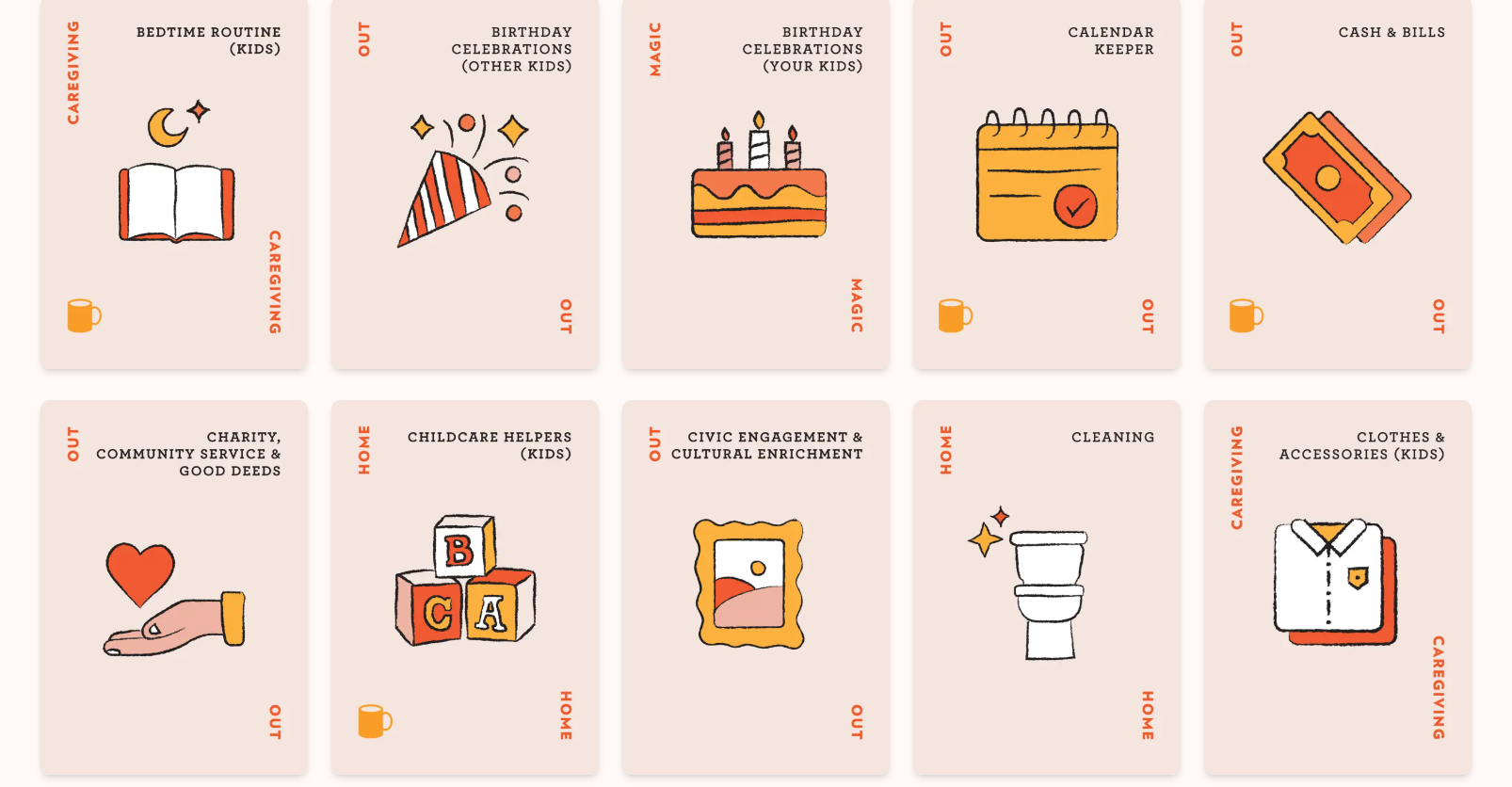
Full Ownership, Not “Helping”
Instead of: “Can you help with bottles?”
Shift to: “Can you take full responsibility for grocery shopping - from noticing food is low to planning and restocking.”
Fair Play defines ownership as conceiving a task to full completion – it’s competently handled and the other person doesn’t even need to think about it.
- Conception (e.g. we need food regularly)
- Planning (e.g. fridge/pantry stock take, meal plan, remember preferred brands, write shopping list, align with budget, source specials)
- Execution (e.g. go shopping before food runs out, find preferred items, unpack, put away)
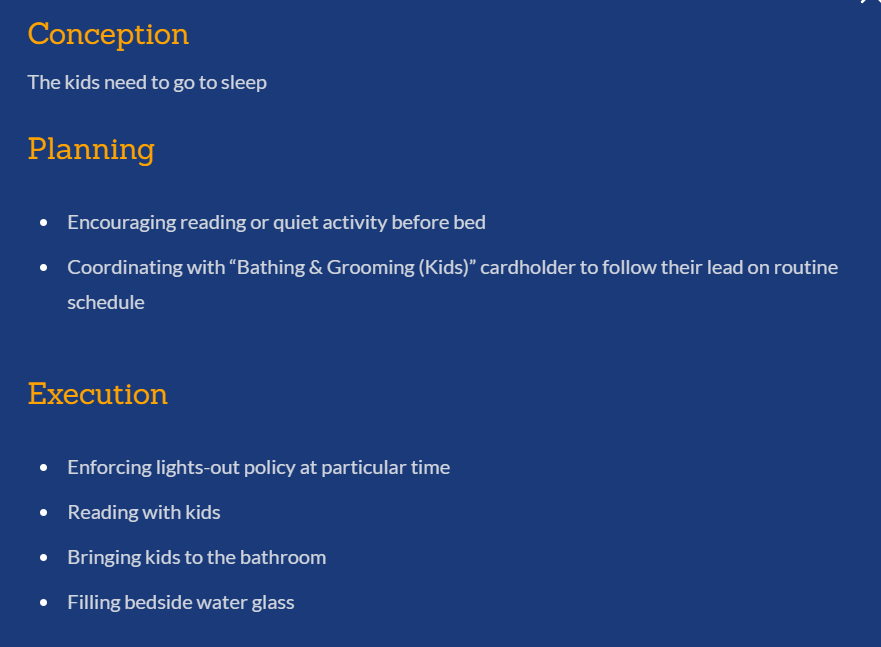
When the mental load is shared, there's energy and space for intimacy.
Protect the Mother’s Identity
Postpartum, many women lose:
- Solitude
- Social time
- Autonomy
- Financial independence
- Sense of self
Fair Play encourages “Unicorn Space.” Time that belongs only to you, equitably enjoyed by both people in relationship. Even if it’s just 1–2 hours a week:
- Exercise
- Coffee alone
- Sleep in
- Creative time
- Time with friends - child free!
Desire grows when you feel like a whole person again.

Rebuild Physical Intimacy Gently
Important: Intimacy ≠ sex.
For many postpartum women, physical closeness feels overwhelming because their body is constantly needed.
No Expectation Touch
Explicitly say:
“I want closeness without pressure.”
Sensual, Not Sexual
- Showering together (no goal)
- Kissing longer than 6 seconds
- Holding hands in bed
Desire grows where there’s a sense of safety.
- 20-second hugs
- Back rub with no expectation
- Sitting thigh-to-thigh
- Couch cuddle watching a movie
When partnership feels equitable and emotionally safe, desire has room to return, and relationships can strengthen in life after baby.

A Reframe for New Mothers
Having a baby doesn’t have to be the end of intimacy. You are potentially overstimulated, under-rested, and over-responsible for the work that comes with motherhood. It can get better over time and with mutual care and effort.
Intimacy after having a baby is often less about spontaneity and more about:
- Emotional safety
- Reduced mental load
- Intentional connection
When partnership feels equitable and emotionally safe, desire has room to return, and your relationship can strengthen in life after baby.